Case study
Cetasol (iHelm): guiding marine behavior changes with dignity
Head of UX, Cetasol AB. Consultant at Layer 10 AB. Gothenburg, 2021 to 2022.
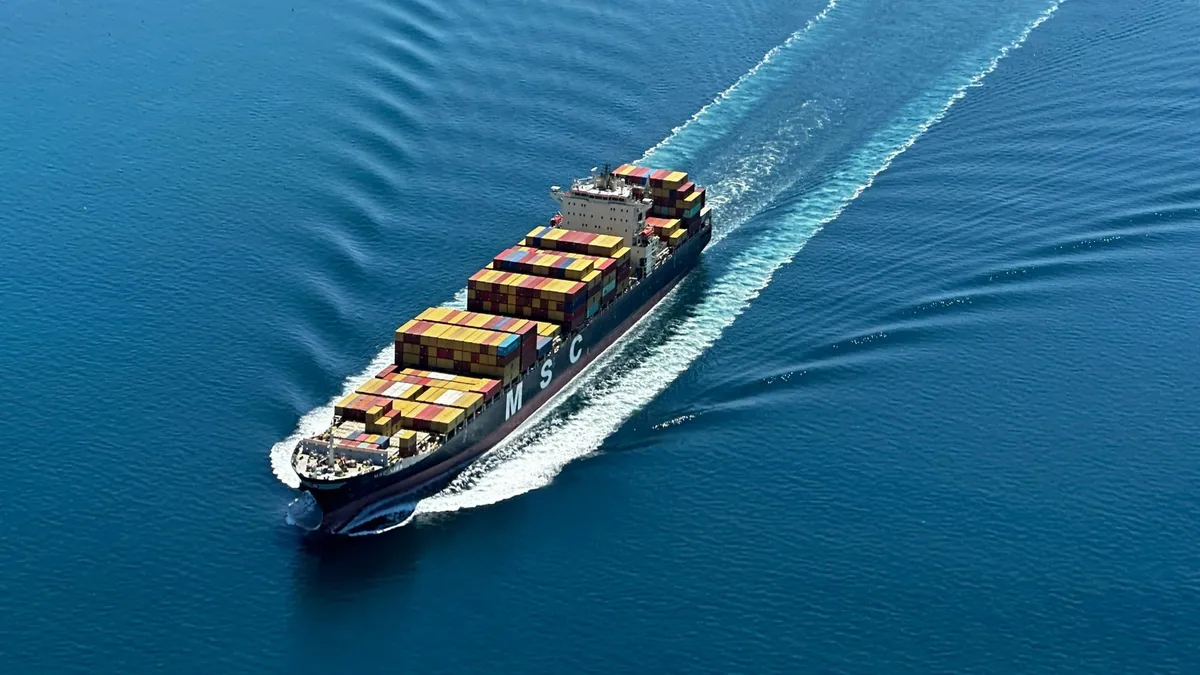
What if ships on the sea could use "eco driving" to save fuel, just like cars on the road? Cetasol is a marine sustainability startup with an IoT and SaaS platform, iHelm, that puts sensors on vessels and guides captains to operate more energy-efficiently. As Head of UX in the founding team, I built the customer and user understanding that shaped the early product. My role covered user research and contextual inquiry on board, designing the on-board and admin web interfaces in Figma, designing the company website, and support the CEO on grant applications and early market strategy decisions.
Outcome: the project continues and Cetasol is expanding across Europe, Asia, and other markets. Early pilot tests, in the company's first year, showed around 30% lower CO2 emissions.
Why it matters for AI adoption: guiding experts to change established habits without making them feel judged, is the same adoption challenge as introducing AI to a skeptical workforce.
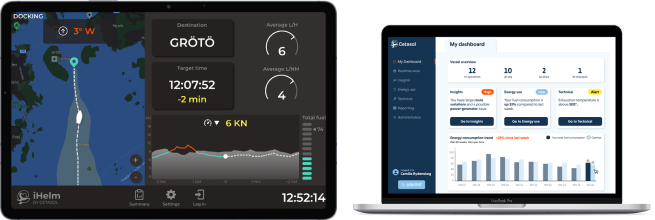
Methods and tools
Methods: user interviews, contextual inquiry, user research, jobs-to-be-done analysis, website layout and design, UX writing and content design, marketing, close collaboration with developers, strategic user insights advice, agile development.
Tools: Figma, Miro, Trello.
What I learned
Doing user research in the right context was key in the marine commercial segment: a ship's work environment is very different from an office. Being part of a startup core team also taught me a lot about business development, time to market, and business strategy.